The Crucible
What is a crucible?
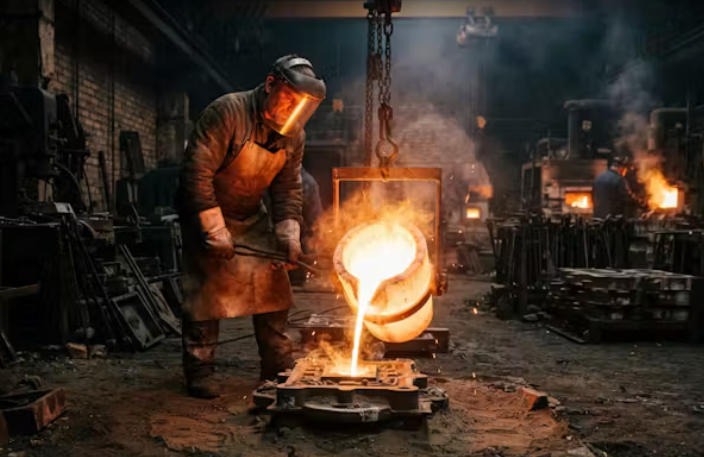
A “crucible” is, by definition, a severe test or situation in which concentrated, intense forces interact to cause fundamental change or development. This concept posits that intense adversity, pressure, and struggle are essential precursors to profound personal, societal, and even technological transformation. The metaphor draws from the literal use of a crucible: a heat-resistant vessel used for melting and purifying metals at high temperatures. The intense heat and pressure separate impurities, leaving a refined, stronger, and fundamentally altered substance.
I am exploring the idea that the metaphor of a crucible can apply to many scales: individual, community, state, nation and world. An individual can have health compromises or physical damage from an accident. At the national level, it can be a diminishing of governmental function. At the global level, it can be climate warming. This exploration has caused me to invent the word “fracrucible” – fractal crucible. Here are some of the similarities that apply across scales:
In social experience, the process involves several key stages:
- Encountering the Adversity: This is the initial shock of facing a significant obstacle, crisis, or trauma, which pushes individuals or groups out of their comfort zones.
- Processing and Reflection: The intensity of the experience forces deep self-reflection, making individuals question their identity, values, and assumptions.
- Transformation/Emergence: The outcome is an altered sense of values, newfound strength and resilience, and a clearer vision.
Not all adversity leads to positive change; support systems are necessary to mitigate damage and ensure constructive outcomes. However, when navigated effectively, the crucible experience becomes a powerful catalyst for growth.
Societal Crucibles and Collective Transformation
At a societal level, shared periods of turmoil and intense pressure often serve as crucibles that forge national identity, drive innovation, and catalyze social progress.
- Examples:
- War and Revolution: Events like the American Civil War or the aftermath of World War II served as crucibles, leading to fundamental changes in national identity, economic structures, and social reforms.
- Social Movements: The Civil Rights Movement in the United States, born from systemic struggle and adversity, became a powerful catalyst for legislative change and the reshaping of societal norms.
- Economic Crises and Pandemics: Events such as the Great Depression or the COVID-19 pandemic expose vulnerabilities in existing systems, compelling societies to innovate, foster cooperation, and build more resilient systems for the future.
Similarity Across Scales
- Individual: Reframing personal crisis, illness, trauma, or identity loss as a refining process rather than self-destruction—allowing false alloys of ego and certainty to burn away so core character can emerge distilled.
- Relational: Holding interpersonal tension and rupture within safe boundaries of care—allowing relational friction to purify mutual commitments without shattering trust or resorting to defensive blame.
- Institutional: Utilizing operational stress and breakdown to expose hidden design limits, testing sandbox fixes during disruption, and formalizing new workflows that serve core mission over superficial appearance.
- Societal: Navigating civilizational crises, social turmoil, and ecological strain as catalytic diagnostic signals—shaping new democratic alloys and biospheric stewardship rather than collapsing into panic or authoritarian control.
Relationship to Other Ideas Within Fractegrity
- Relationship to Change as Signal: Disruption and heat announce entry into the crucible, signaling that existing structures no longer fit reality as it now exists.
- Relationship to Care as Structural Support (The Vessel): Care forms the load-bearing vessel that holds tension under heat, ensuring stress is distributed and making heat survivable without structural collapse.
- Relationship to Preservation Before Progress: Determines what is truly structural and must be preserved during fire, preventing systems from sacrificing core commitments for hasty, unoriented velocity.
- Relationship to The Phoenix and the Crucible: Balances internal cyclical rebirth (the Phoenix) with external progressive refinement under pressure (the Crucible).
Next threads to pull:
This thread reframes pressure as revelation, showing how strain exposes structure rather than creating failure.
→ The Fracrucible: Chaos as Catalyst
Here, the crucible is followed into renewal, where purification clarifies what must remain essential.
→ Renewal and Purification: Returning to What Is Essential
This path connects pressure to becoming, revealing transformation as iterative rather than catastrophic.
→ The Phoenix and the Crucible
The concept of the crucible highlights, no matter the scale, the idea that significant change rarely occurs in comfort. It is in the “fires of adversity” that true character is tested and forged. These intense, transformational experiences serve as necessary precursors to change, pushing us to question, reflect, and ultimately emerge with a new or altered sense of values and purpose. Embracing this process, while acknowledging the potential for trauma, can turn even the most challenging circumstances into opportunities for meaningful growth and renewal.